
The process we built after two decades of watching apps fail.
A walkthrough of how we work, from first conversation to handover. The frameworks we use, the games we run, and the things you walk away with at the end.
We measure what your app makes people feel.
Most agencies design for how an app looks. We design for how it makes people feel. Five measurable emotional dimensions that determine whether someone trusts your product, enjoys using it, or quietly walks away.
Every project starts with a baseline reading and every design decision is measured against it. The result is an app people connect with, not just use.
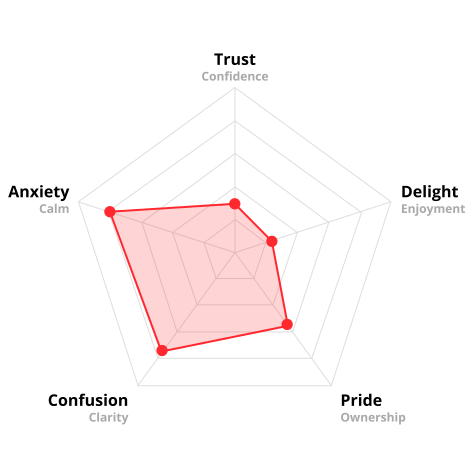
Confidence
Whether the product behaves predictably and earns the user’s belief that it will keep doing so.
Enjoyment
The small moments that surprise, satisfy, and make using the product feel rewarding.
Calm
How much friction, uncertainty, or risk the product introduces, and how successfully it removes it.
Clarity
Whether users always know what they’re looking at, what to do next, and what just happened.
Ownership
Whether using the product makes someone feel competent, accomplished, or quietly proud of themselves.
How a project actually runs.
The thing a webpage can't really tell you is what working together feels like. Whether the energy in the room matches the words. Whether the people running the framework actually believe in it.
Some things only really come across on camera. So here's what a project actually involves, where it tends to get tricky, and why we still do it this way.
From first conversation to build-ready handover.
Every project moves through the same kind of work, in roughly this order. The exact shape depends on what you’re building. The result is the same: a complete foundation and a clear, cost-effective plan for launch.
We start with a conversation, not a brief. Where you are, what you’re building, who it’s for, what you’ve already tried. The goal is to understand the project well enough to know whether we’re the right fit, and to spot the questions you haven’t been asked yet.
Why people use the things they use, and abandon the things they don’t. We don’t ask users what they want. We work out what they need by understanding the psychology that drives their behaviour. Existing user data, market research, competitor patterns, and structured exercises with your team.
We map the emotional journey from where users start to where they should end. Score the current experience across the five Feel Factor dimensions. Define the gap between current and aspirational, and what design decisions will close it.
Interfaces designed around how people actually think, not how they look in screenshots. Wireframes, then visual design, then the full UI system. Each iteration is tested against the Feel Factor targets we set, not against opinion.
Complete technical architecture, data models, API definitions, and developer documentation. Written so it can be picked up by any developer, agency, or AI tool.
We give you the strategy, research, full designs, technical specifications, and our recommendations on the the most cost-effective, low-risk way to bring your product to market. The right approach, budget, and team, whether that's a freelancer, an agency or using AI, in order to protect your investment.

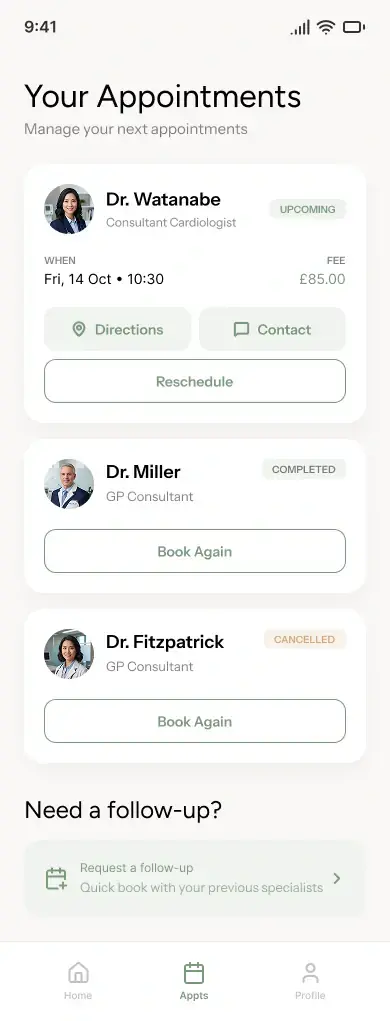
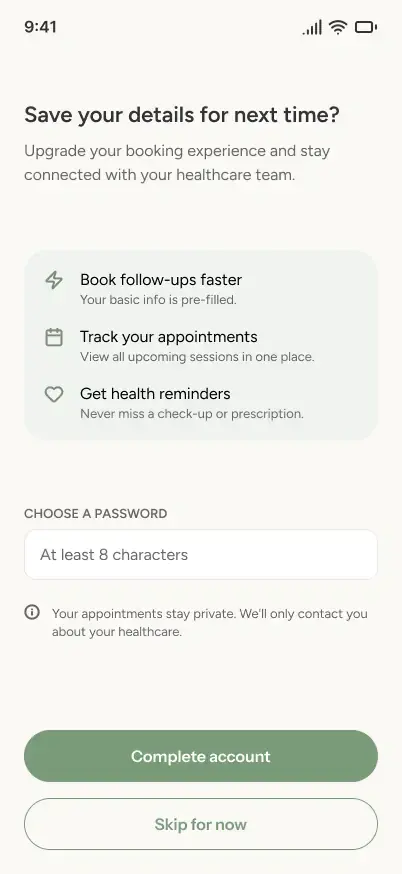
Downloads were real.
Bookings weren't.
Five sessions, thirteen games, six weeks, and we found exactly why users weren't booking, and what to build to earn their trust.

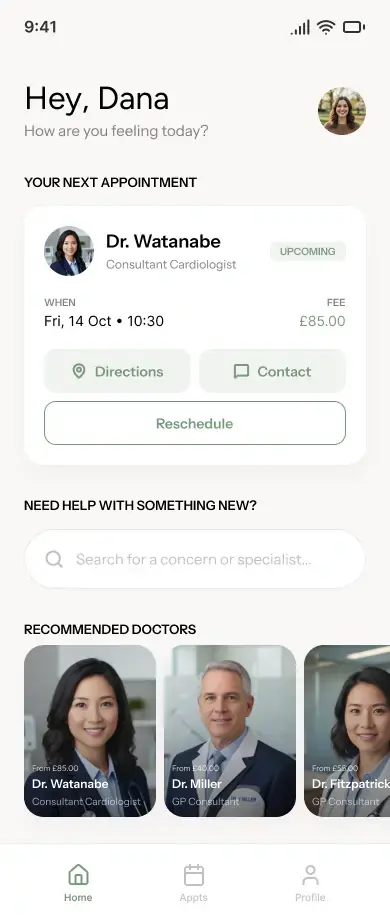
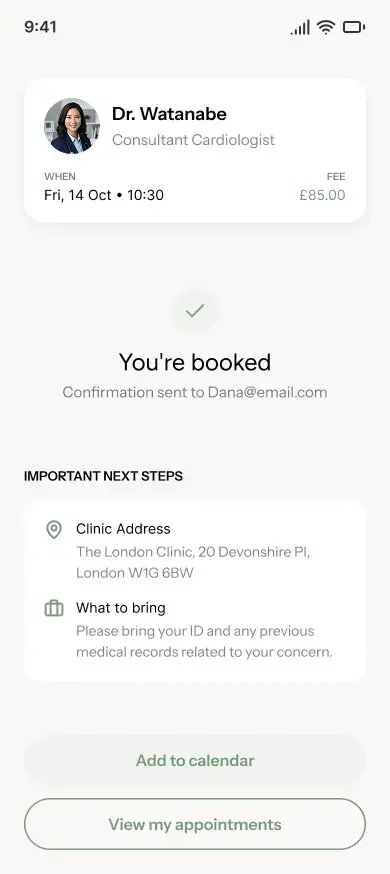
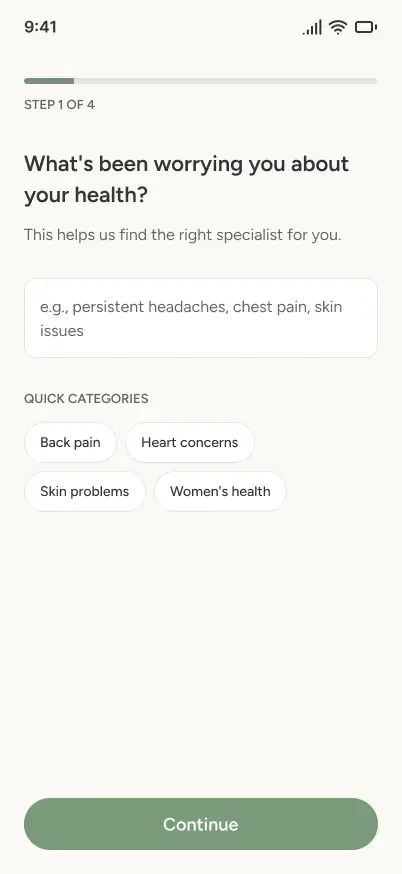
Structured exercises for things a survey won’t reach.
Every project draws on a different combination. Some are diagnostic, some projective, some quietly devastating. The right ones at the right moment do more for a brief than a month of workshops.
The Heartbreak Scale
Rate the current experience across the five Feel Factor dimensions.
The Aspiration Gap
Map the emotional journey from where users start to where they should end.
The Funeral Speech
If the product died tomorrow, what would people say at its funeral?
The thing your developer needs and almost never gets.
Every project ends with everything you need to build. Strategy, research, design, and specification, in the kind of depth that leaves nothing to chance. Every screen, every state, every decision. Yours to keep, hand on, or come back to us with.
Behavioural research report
The psychology your product needs to design for, the assumptions you’d be wrong to make, and the patterns to design around.
Strategic recommendations
The brief, with measurable emotional targets and the principles every design decision will be tested against.
Feel Factor baseline and target
Where the product is now, where it should end up, across five emotional dimensions. The yardstick the build is measured against.
Complete UI design system
Every screen, every state, every component, with the rationale for each decision. Designed to be picked up and built without ambiguity.
Technical specification
Architecture, data models, API definitions, developer documentation. Written so it can be built by any team, agency, or AI tool.
Build-ready handover & launch plan
Everything packaged, walked through with you, plus a clear plan for the smartest, most cost-effective way to launch: the right approach, the right team, the right budget.
We don’t do the build. That’s the point.
Most agencies have a financial reason to recommend a particular path: a build to sell, a stack to push, a partner to refer. We don't. Which means the recommendations we make are shaped by what your project needs, not by what works for us.
We recommend approaches, not people. The smartest, most cost-effective way to launch your product. The choice of who builds it stays with you.
It also means the work has to stand on its own. It gets handed to your team, an agency, or an AI tool, and has to work without us in the room.
Three ways in.
Pick the one that matches where you are. Every path leads to the same thing: an honest conversation about your project.
Tell us about your project.
Short form. Simon reads every submission personally and replies within two working days.
Send project details →Book a discovery call.
Thirty minutes with Simon. Real conversation, no pitch deck.
Book a call →Get an idea of typical costs.
No tier grids. The total cost of your project, broken down honestly, with our portion shown within it.
See pricing →