

Expert Guide Series
Apple App Store vs Google Play Store
When someone taps the App Store icon on their iPhone, they enter a carefully orchestrated psychological environment. Apple has spent years refining every detail to feel premium, trustworthy, and effortlessly simple. The clean white backgrounds, generous spacing, and curated editorial content all work together to create what feels like browsing in a high-end boutique.
Google Play Store tells a different story. The interface embraces Material Design principles with bold colours, dynamic imagery, and information density that mirrors Google's search heritage. Apple whispers exclusivity, while Google shouts abundance and choice.
These differences run far deeper than visual aesthetics. Each platform shapes user behaviour through distinct psychological frameworks that influence how people discover, evaluate, and engage with apps. Understanding these frameworks reveals why the same app can perform dramatically differently across platforms, and why successful developers tailor their approach to match each ecosystem's emotional rhythm.
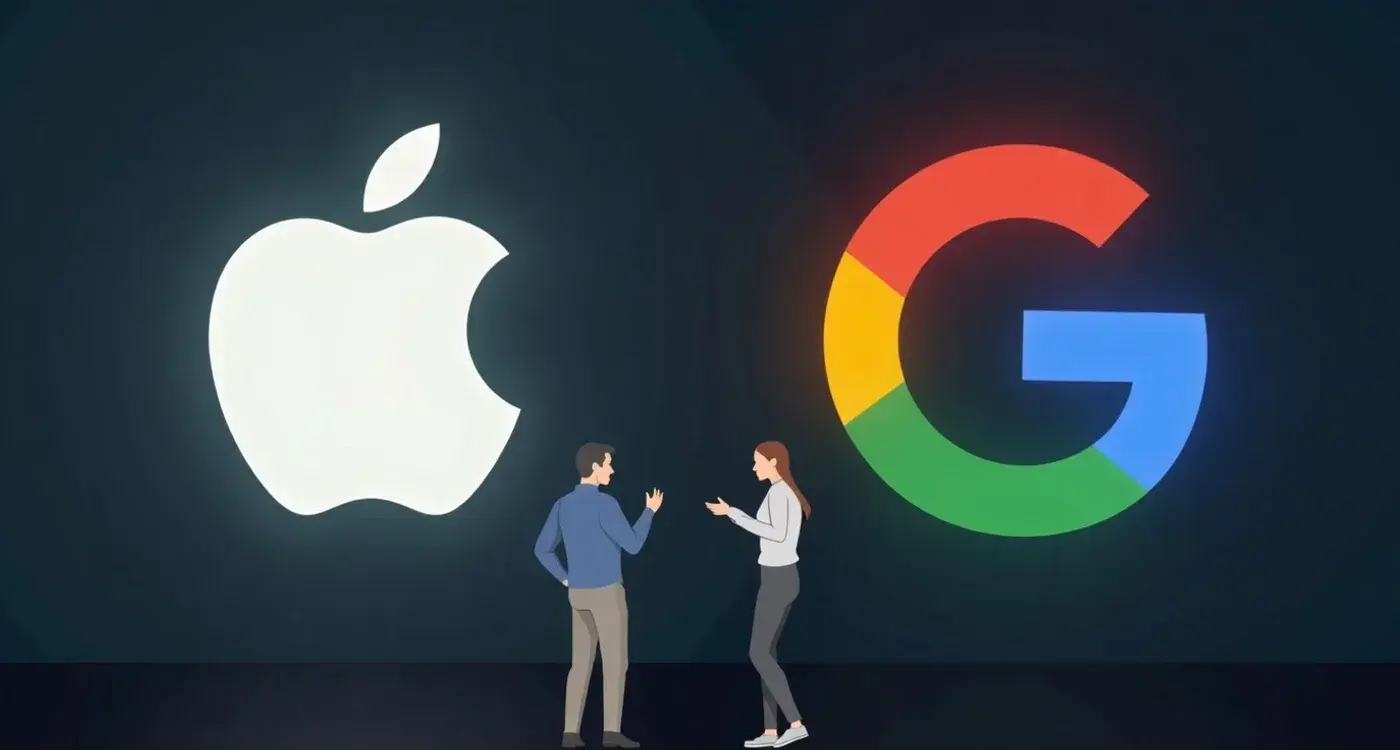
Each platform creates distinct psychological frameworks that shape how users discover and evaluate apps.
The design choices made by Apple and Google reflect fundamentally different beliefs about human behaviour, decision-making, and what motivates people to take action. Apple and Google test how environmental psychology translates to digital experiences through their different design approaches.
Platform Psychology
Apple's App Store operates on principles of cognitive ease and trust through scarcity. The platform deliberately limits choices at each stage of the user journey, believing that fewer options lead to better decisions. This approach aligns with psychological research showing that too many choices can paralyse decision-making and reduce satisfaction with final choices.
The editorial curation creates an implicit endorsement system. When Apple features an app, users subconsciously interpret this as a quality guarantee from a trusted authority. This psychological shortcut reduces the mental effort required to evaluate unfamiliar apps, making downloads feel safer and more confident.
Google Play Store embraces a different psychological model based on information abundance and user empowerment. The platform provides extensive data points, user reviews, developer information, and related suggestions. This approach assumes users want comprehensive information to make informed decisions, even if it means more complex interfaces.
Users spend 40% longer evaluating apps on Google Play compared to Apple's App Store, reflecting the different decision-making frameworks each platform encourages.
This psychological difference affects how users frame their app discovery sessions. Apple users often describe browsing as "finding something special, " while Google Play users talk about "researching the best option." These different mindsets create distinct behavioural patterns and expectations for how apps should present themselves.
Design Philosophy Comparison
Apple's design philosophy centres on emotional resonance over functional complexity. The App Store prioritises beautiful screenshots, compelling preview videos, and storytelling through visual design. Apps that succeed on Apple's platform often lead with aspirational messaging and lifestyle imagery that helps users imagine how the app fits into their ideal self-concept.
Apple believes people make purchasing decisions emotionally first, then justify them rationally. The App Store's design minimises friction between emotional impulse and download action, with large, prominent download buttons and streamlined payment processes.
Content Presentation Strategies
Google Play Store's philosophy emphasises transparency and data-driven decision making. The platform surfaces detailed analytics, user ratings breakdowns, and comprehensive feature lists. Apps perform well when they provide clear functional benefits, detailed descriptions, and evidence of their effectiveness through user testimonials and ratings.
Successful apps present themselves differently on each platform. Apple App Store winners often use lifestyle photography and aspirational language, while Google Play Store champions typically showcase interface screenshots, feature comparisons, and user statistics. Both approaches work within their respective psychological frameworks.
UX/UI design built around real psychology
We design app interfaces around how people actually think and behave. User research, psychology-driven UX/UI design and technical specs delivered as one complete package.
User Journey Mapping
The path from app discovery to installation follows distinctly different emotional arcs on each platform. Apple users typically experience a more linear journey with fewer decision points but higher conversion rates at each stage. The curated environment creates momentum that builds through the discovery process.
Apple users experience linear momentum while Google users prefer comprehensive evaluation before downloading.
Google Play users engage in more complex evaluation patterns, often comparing multiple similar apps, reading detailed reviews, and researching developer backgrounds. This thorough evaluation process results in lower initial conversion rates but higher long-term engagement, as users who complete the full evaluation become more committed to their choice.
Post-Download Engagement Patterns
The psychological conditioning from each platform's environment influences how users approach newly downloaded apps. Apple users often expect immediate emotional payoff and polished experiences from the first interaction. They're more likely to abandon apps that feel unfinished or require significant learning curves.
Google Play users typically bring more patience to new app experiences, expecting some setup time and complexity in exchange for powerful functionality. This difference shapes optimal onboarding strategies for each platform, with Apple favouring instant gratification and Google Play supporting more comprehensive orientation processes.
Emotional Triggers and Responses
Apple's App Store leverages aspiration and social proof through curation as primary emotional triggers. The "App of the Day" features and editorial collections tap into desires for discovery, exclusivity, and being part of a curated community. Users feel special when they download featured apps, as if they're accessing insider knowledge about quality products.
The platform also exploits fear of missing out through time-limited features and seasonal collections. Scarcity psychology encourages immediate action rather than extended deliberation, which aligns with Apple's preference for streamlined purchase decisions.
Google Play Store activates different emotional drivers, primarily confidence through information and social validation through peer reviews. The extensive review system allows users to feel secure in their choices by seeing detailed feedback from people in similar situations.
Apps with 4.3+ star ratings see 70% higher download rates on Google Play, while Apple App Store downloads are more influenced by editorial placement than user ratings.
Each platform provides different emotional payoffs. Apple users often experience satisfaction from making "the right choice" as validated by the platform's curation. Google Play users derive confidence from making "an informed choice" based on comprehensive research and peer validation.
Behavioural Pattern Analysis
User behaviour data reveals distinct patterns shaped by each platform's psychological conditioning. Apple users demonstrate higher impulse download rates but also higher day-one deletion rates, suggesting emotional purchasing decisions that don't always align with actual needs or usage patterns.
Apple users spend an average of 2.3 minutes in the App Store before downloading, compared to 4.7 minutes for Google Play users. However, Apple users are 35% more likely to purchase premium apps or in-app content within the first week, indicating stronger initial commitment despite faster decision-making.
Search and Discovery Behaviours
Google Play users rely heavily on search functionality, with 70% of downloads beginning with search queries. These users often know what type of app they want and compare multiple options. Apple users are more likely to discover apps through browsing, editorial features, and recommendations, with only 45% beginning their journey with specific searches.
Apple users browse 3x more app categories per session but download from fewer categories overall, suggesting broader exploration but narrower commitment patterns.
This affects app marketing strategies. Success on Apple's platform often requires building relationships with Apple's editorial team and creating visually striking assets that perform well in browsing contexts. Google Play success typically demands strong SEO, comprehensive descriptions, and strategies for generating authentic user reviews.
Trust and Security Perceptions
Trust formation follows different pathways on each platform, shaped by the underlying design philosophies. Apple users derive trust primarily from platform endorsement and brand reputation. The App Store's strict review process and Apple's premium brand positioning create an assumption that featured apps meet high quality and security standards.
Trust-by-association reduces user vigilance about individual app permissions and privacy practices. Apple users are more likely to grant permissions quickly, trusting that the platform has already validated the app's intentions and security practices.
Google Play users develop trust through transparency and peer validation. The platform's detailed permission listings, extensive user reviews, and developer information enable users to make informed security decisions. Google's approach creates more security-conscious behaviour but also higher friction for app adoption.
Users report feeling 60% more confident about app security decisions on Google Play due to detailed permission information, while Apple users rely primarily on platform trust.
This affects how apps should handle sensitive permissions and data collection. Apple users respond better to gentle, contextual permission requests embedded in natural usage flows. Google Play users prefer upfront transparency about data usage, even if it means more complex onboarding sequences.
Conclusion
The psychological differences between Apple's App Store and Google Play Store run deeper than interface design choices. Each platform has created distinct behavioural ecosystems that shape how users discover, evaluate, and engage with digital products. Understanding these differences enables more effective app development and marketing strategies tailored to each environment's psychological framework.
Apple's curation-based approach favours emotional resonance, visual storytelling, and streamlined experiences that deliver immediate value. Google's information-rich environment rewards transparency, functional clarity, and comprehensive feature sets that support informed decision-making.
Success across both platforms requires recognising these fundamental psychological differences and adapting content, design, and user experience strategies accordingly. Apple and Google have trained their users to expect different types of interactions and value propositions.
The future of app marketplace psychology will likely see these differences becoming more pronounced as each platform doubles down on its core strengths. Apple continues investing in editorial curation and premium positioning, while Google expands data transparency and user empowerment tools.
Product teams should match their app's psychological profile to each platform's behavioural expectations. Rather than creating one-size-fits-all solutions, successful apps increasingly tailor their presentation and experience, with choosing the right app store strategy playing a central role in leveraging each platform's unique psychological advantages.
Want to optimise your app's psychological impact across both platforms? Let's talk about your app store strategy and how emotional design can improve your conversion rates and user engagement.
Frequently Asked Questions
What are the main psychological differences between the Apple App Store and Google Play Store?
Apple's App Store operates on principles of cognitive ease and trust through scarcity, deliberately limiting choices to reduce decision-making paralysis. Google Play Store embraces information abundance and user empowerment, providing extensive data points and reviews to help users make informed decisions.
How do the visual designs of each platform influence user behaviour?
Apple's clean white backgrounds and generous spacing create a premium, boutique-like feel that whispers exclusivity and encourages emotional purchasing decisions. Google's Material Design with bold colours and information density reflects abundance and choice, encouraging users to research thoroughly before downloading.
Why do users spend more time evaluating apps on Google Play compared to the App Store?
Users spend 40% longer evaluating apps on Google Play because the platform provides more comprehensive information for decision-making. This reflects Google's philosophy of user empowerment through data, whilst Apple prioritises quick, confident decisions through curated simplicity.
How does Apple's editorial curation affect user psychology?
When Apple features an app, users subconsciously interpret this as a quality guarantee from a trusted authority. This psychological shortcut reduces mental effort required to evaluate unfamiliar apps, making downloads feel safer and more confident.
What mindset differences do users have when browsing each platform?
Apple users often describe browsing as 'finding something special,' focusing on discovery and emotional appeal. Google Play users talk about 'researching the best option,' emphasising thorough evaluation and informed decision-making.
How should app developers tailor their approach for each platform?
On Apple's App Store, developers should prioritise beautiful screenshots, compelling preview videos, and aspirational messaging that helps users imagine the app in their ideal lifestyle. The same app can perform dramatically differently across platforms, so understanding each ecosystem's emotional rhythm is crucial.
What does Apple's design philosophy prioritise over Google's approach?
Apple prioritises emotional resonance over functional complexity, believing people make purchasing decisions emotionally first, then justify them rationally. The platform emphasises beautiful visuals and storytelling, with streamlined processes that minimise friction between emotional impulse and download action.
Related Articles

How do I get my app in the App Store?
Your app idea is brilliant. You've mapped out the features, maybe even built a prototype. Now comes...
by Simon Lee
App Store vs Google Play: Which Is Right for Your App?
Most founders assume they need to launch on both the App Store and Google Play simultaneously. The...
by Simon Lee