
Expert Guide Series
How do I know if my app idea is worth building before I spend a penny?
You have this great app idea forming, but every entrepreneur horror story whispers the same warning: most apps fail. The graveyard is littered with products that seemed perfect on paper but never found their audience.
The brutal truth is that passion alone does not predict success. You need evidence that people actually want what you're planning to build. But how do you gather that evidence without spending months and thousands of pounds on development? The answer lies in testing your idea before you write a single line of code.
People are quick to promise but slow to pay.
We see this pattern repeatedly. Entrepreneurs fall in love with their solution and skip the uncomfortable questions. They assume their own excitement translates to market demand. But your enthusiasm means nothing if it does not translate into actual user behaviour. What matters is whether people will choose your app over everything else competing for their attention, time, and money.
Why Most App Ideas Fail Before Launch
App abandonment follows predictable patterns that reveal why most ideas never gain traction. Understanding these patterns helps you spot potential problems before you invest in development.
Immediate abandonment happens within the first three to four seconds. Users leave because of slow loading, poor performance, or technical failures like crashes. But this represents only the first hurdle. Even apps that survive those crucial seconds face another wave of departures within 60 to 120 seconds.
This second abandonment wave is driven by onboarding issues. Forced early registration causes 15 to 20 percent of users to leave immediately. Confusing onboarding with too many screens or invasive permissions without explanation compounds the problem. Users need to see immediate value, but most apps hide their benefits behind unnecessary barriers.
The third failure point occurs within the first three days. Apps that survive initial contact often lack retention mechanisms or reveal hidden costs that users did not expect. Beyond that, long-term churn happens when apps consume excessive device space or battery, or when users simply stop needing the service.
Map out every potential failure point in your user journey. Each one represents a validation test you can run before development.
The Validation Mindset Shift
Validation requires a fundamental shift in how you think about your idea. Instead of asking "What features should I build?" start asking "What assumptions am I making?" Every aspect of your app concept rests on assumptions about user behaviour, market demand, and willingness to pay.
The goal is to test your riskiest assumptions first. These are usually assumptions about whether people actually experience the problem you think you are solving, whether they want your particular solution, and whether they will pay for it. Testing these assumptions early saves you from building something nobody wants.
Think of validating your app idea early as insurance for your time and money. Each test either strengthens your confidence or reveals flaws you can address before development. Both outcomes are valuable. Discovering problems early costs much less than discovering them after launch.
The validation mindset also changes how you measure success. Instead of measuring progress by features built or code written, you measure it by assumptions tested and evidence gathered. This shift protects you from the common trap of falling in love with your solution rather than your users' problems.
Design that understands your users
We build app experiences around real user behaviour, not assumptions. Research, psychology-driven design and technical specs that turn users into loyal advocates.
Test 1: The Landing Page Reality Check
A simple landing page serves as your first reality check. Create a page that describes your app and asks visitors to sign up for updates or early access. This tests whether your concept resonates with people who might actually use it.
Genuine interest creates measurable behaviour, not just polite feedback.
Focus on describing the problem you solve rather than listing features. People care about outcomes, not functionality. If you are building a fitness app, talk about helping people feel confident in their bodies, not about rep counting and progress charts. The emotional benefit matters more than the technical implementation.
Track specific metrics: email signups, time spent on page, and bounce rate. But be realistic about what these numbers mean. Getting 100 email signups from 10, 000 visitors might sound encouraging, but it represents only 1 percent interest. Compare your conversion rates to similar products to understand whether your numbers indicate genuine demand.
Use this test to refine your messaging. If people are not signing up, experiment with different headlines, benefits, and calls to action. The landing page forces you to articulate your value proposition clearly, which benefits every subsequent validation test.
Test 2: The Problem Interview Trap
Problem interviews feel like validation, but they hide a dangerous trap. Most people are polite and will agree that your identified problem exists. This creates false confidence that can lead you astray.
The trap lies in how you frame questions. Asking "Do you ever struggle with meal planning?" will get more positive responses than asking "What are the three biggest challenges in your daily routine?" The first question leads people toward your preferred answer. The second reveals what actually frustrates them.
Getting Honest Responses
Frame your interviews around past behaviour, not hypothetical futures. Instead of asking "Would you use an app that helps with meal planning?" ask "Tell me about the last time you felt frustrated with meal planning. What happened?" Past behaviour predicts future behaviour more accurately than stated intentions.
Listen for emotional intensity. When people describe real problems, their language changes. They use stronger words, provide specific examples, and show genuine frustration. Mild inconveniences rarely drive people to download new apps or pay for solutions.
Ask "How do you currently solve this problem?" Their existing solution reveals how much the problem actually bothers them.
Test 3: Measuring Intent Through Action
Actions reveal true intent better than words. People are quick to promise but slow to pay, so you need tests that require genuine commitment. This moves you beyond polite interest toward actual behaviour.
Start with low-commitment actions that still require effort. Ask people to join a private Facebook group where you will share updates about your app. Or request their phone number for text updates about your launch. These small hurdles filter out casual interest while identifying people who genuinely care.
Gradually increase the level of commitment. After people join your group or give their contact details, ask them to complete a survey about their needs. Then ask if they would participate in a user testing session. Each step requires more effort and reveals stronger interest.
Pay attention to response rates at each level. If 1, 000 people liked your initial social media post about the app idea, but only 50 joined your private group, and only 10 completed your survey, you are seeing natural filtering. The people who remain engaged represent your core potential audience.
This approach also builds a launch audience. The people who engage with multiple validation tests become your early adopters and first customers when you actually build the app.
Test 4: The Prototype Behaviour Test
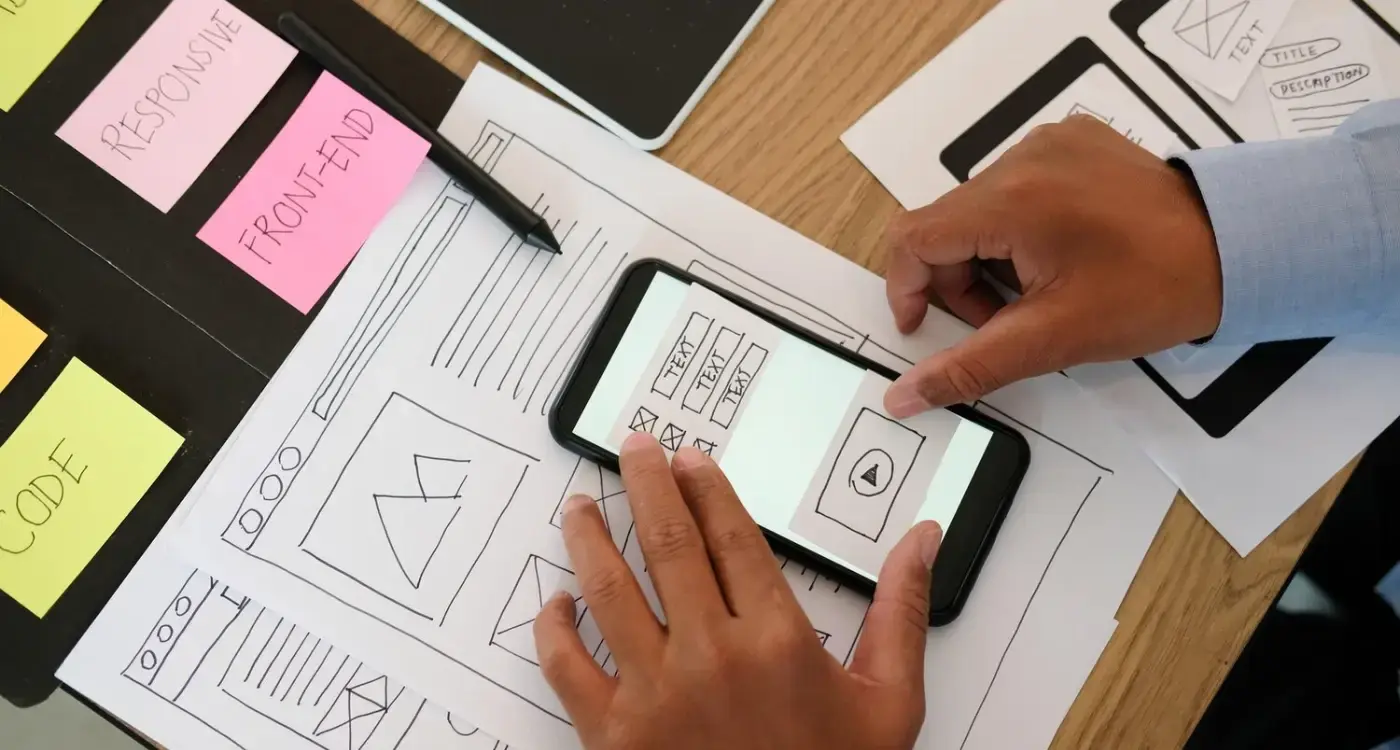
Building a functional prototype feels expensive and time-consuming, but you can test core interactions with simple mockups. The goal is to observe how people behave with your interface, not to create production-ready software.
Create clickable mockups using tools like Figma or Marvel. Include the key user flows that define your app's value. If you are building a budgeting app, mock up the process of adding expenses and viewing spending summaries. Skip secondary features and focus on the core experience.
Watch people use your prototype while thinking aloud. This reveals gaps between your assumptions and reality. People might struggle with navigation you thought was obvious, or they might try to use features in ways you did not expect.
Reading Emotional Signals
Pay attention to emotional signals during testing. Frustration shows up as longer pauses, repeated clicks, or verbal confusion. Engagement appears as faster movement through tasks and positive comments. These emotional responses predict whether people will enjoy using your actual app.
Test with people who match your target audience, not just friends and family. Your close connections want to be supportive and may not give honest feedback about usability problems. Strangers provide more objective responses.
Test 5: The Pre-Order Commitment Check
The ultimate validation test is asking for money before your app exists. This separates genuine demand from polite interest more clearly than any other method.
Create a pre-order campaign where people pay a discounted price to get your app when it launches. This works particularly well for apps with clear value propositions and defined launch timelines. The key is offering genuine value for the pre-order, such as a significant discount or exclusive features.
Set a specific target for pre-orders that would justify development costs. If you need £10, 000 to build your app properly, aim for pre-orders that cover at least half that amount. This creates a clear decision point: enough pre-orders mean you proceed, insufficient interest means you pivot or abandon the idea.
Use the pre-order campaign to test pricing sensitivity. Start with a higher price and gradually reduce it if demand is low. This reveals the maximum price your market will accept and helps you understand your revenue potential.
Offer a full refund guarantee for pre-orders. This reduces the risk for customers while maintaining the commitment test for you.
Building Your Decision Framework
Validation tests generate data, but data alone does not make decisions. You need a framework for interpreting results and determining whether to proceed with development.
Create specific success criteria before running each test. For example: "We need at least 500 email signups from 5, 000 website visitors" or "We need 20 people willing to pre-order at £15 per month." Clear criteria prevent you from rationalising weak results or moving goalposts after seeing disappointing numbers.
Weight different types of evidence appropriately. Paying customers matter more than survey respondents. People who complete multiple validation tests matter more than those who engage once. Email subscribers matter more than social media followers. Financial commitment trumps stated interest every time.
Consider the quality of your evidence, not just the quantity. Ten pre-orders from your exact target audience provide stronger validation than 100 social media likes from a general audience. Focus on evidence from people who represent your ideal customers.
Build in decision points where you commit to specific actions based on your results. If validation tests meet your criteria, proceed to development. If they fall short, either pivot your approach or abandon the idea. Avoiding these decisions keeps you stuck in endless validation without progress.
Set a deadline for your validation phase. Open-ended testing leads to paralysis by analysis.
Conclusion
Validation transforms app development from expensive guessing into informed decision-making. These five tests create a progression from initial interest through genuine commitment, helping you understand whether people actually want what you plan to build.
Remember that validation is not about proving your idea is perfect. Some tests will reveal problems with your concept, pricing, or target audience. These discoveries save you from much larger problems later. Failed validation tests are successful validation processes.
The goal is confidence, not certainty. You will never eliminate all risk from app development, but you can reduce it significantly. Strong validation results give you the confidence to invest in development. Weak results give you the wisdom to pivot or pursue other opportunities.
Start with the simplest test that addresses your biggest assumption. Each validation test builds on the previous one, creating a clear path from idea to evidence-backed decision. This approach protects your time, money, and sanity while increasing your chances of building something people actually want.
If you are ready to validate your app idea with a structured approach that combines emotional design with behavioural psychology, let's talk about your validation strategy.
Frequently Asked Questions
How can I tell if my app idea will actually succeed before spending money on development?
The key is to test your riskiest assumptions about user behaviour and market demand before writing any code. Focus on gathering evidence that people actually experience the problem you're solving and would be willing to pay for your solution. Think of validation as insurance for your time and money - each test either strengthens your confidence or reveals flaws you can address early.
What are the main reasons why most apps fail after launch?
Apps typically fail at three predictable points: immediate abandonment within 3-4 seconds due to slow loading or crashes, second-wave abandonment within 60-120 seconds caused by poor onboarding or forced registration, and failure within the first three days due to lack of retention mechanisms or unexpected costs. Long-term churn often results from excessive battery drain, storage consumption, or users simply no longer needing the service.
What does it mean to test my 'riskiest assumptions' about my app idea?
Your riskiest assumptions are the core beliefs your app concept relies on - typically whether people actually experience the problem you think you're solving, whether they want your particular solution, and whether they'll pay for it. These assumptions carry the highest risk because if they're wrong, your entire app concept fails. Testing these first saves you from building something nobody wants.
How do I avoid the trap of being too passionate about my own idea?
Recognise that your enthusiasm doesn't automatically translate to market demand - what matters is whether people will choose your app over everything else competing for their attention, time, and money. Instead of asking 'What features should I build?', shift to asking 'What assumptions am I making?' This helps you focus on gathering real evidence rather than relying on your own excitement.
What should I focus on during the validation process?
Map out every potential failure point in your user journey and turn each one into a validation test you can run before development. Focus on testing whether people actually want what you're planning to build, rather than perfecting features. Remember that people are quick to promise but slow to pay, so look for genuine commitment rather than just positive feedback.
How should I measure progress during the validation phase?
Change how you measure success from features built or code written to assumptions tested and evidence gathered. Each validation test should either strengthen your confidence in the idea or reveal problems you can address before development. Both outcomes are valuable and much cheaper than discovering issues after launch.
Why do so many apps get abandoned during onboarding?
Forced early registration causes 15-20% of users to leave immediately, whilst confusing onboarding with too many screens or invasive permissions without explanation compounds the problem. Users need to see immediate value, but most apps hide their benefits behind unnecessary barriers. This creates a second wave of abandonment within 60-120 seconds of initial use.
Related Articles

How Do You Validate Your App Idea Before Development?
Nine out of ten mobile apps fail within their first year of launch. That's a staggering statistic...
by Simon Lee

How Do You Test if People Want Your App Before Building?
A property development company spent £180,000 building a mobile app that would let users take...
by Simon Lee